(Last Updated On: )
Photo by StefanCoders on Pixabay
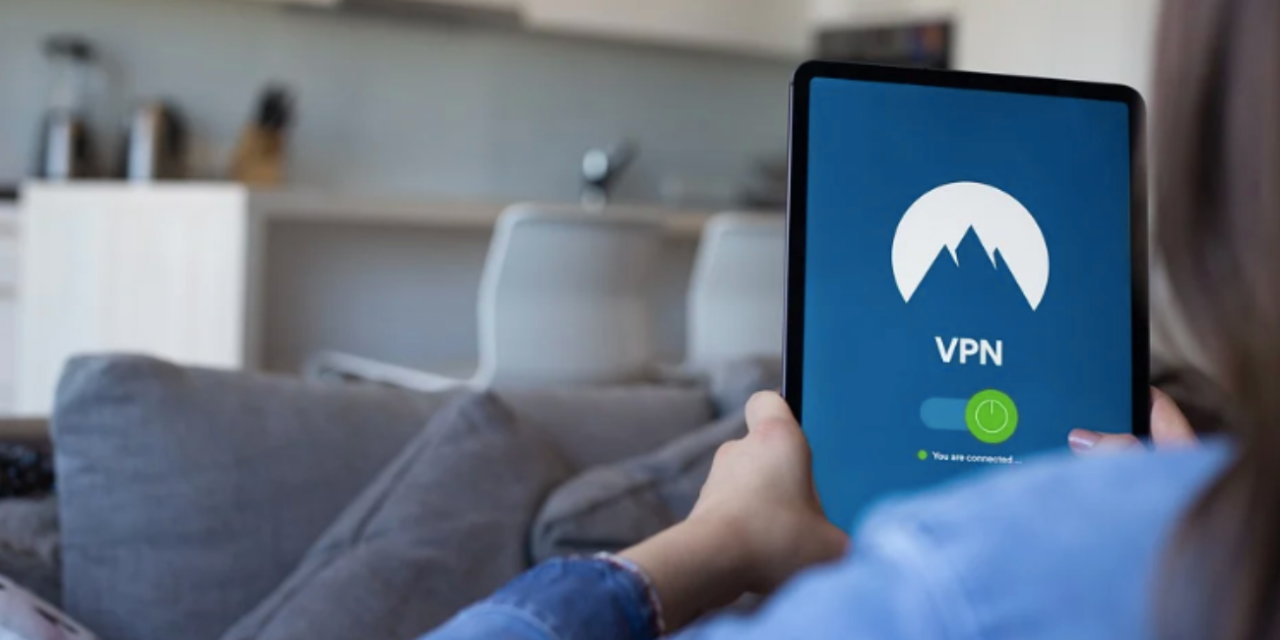
In a world more and more preoccupied with online security, VPNs have been touted as the way to keep yourself safe online. But is this truth or fact? Will VPNs keep you safe or not? Do they have any drawbacks, and are there any ways to solve these issues? Where can you get the best free vpn?
What is a VPN?
For anyone who might not know, a VPN is a virtual private network. It is a way to keep your data secret – what you search and where you search it – by removing your location. In addition, it encrypts your data so that no one can see the meaning of your documents and files.
Benefits of VPNs
Security comes first and foremost, but there are many creative ways that people use VPN to access content, network and create connections online. There are a number of different VPN solutions, which is why it's so important to compare and find out what one can do compared to another. For example, in this ExpressVPN vs IPVanish face-off, you can see that one covers almost double the countries of the other and one will give you access to streaming services such as Netflix, BBC iPlayer
Security with Wi-Fi: Ever been in a coffee shop or a train station and used the free WIFI provided? You may not know that this can be dangerous. When using free Wi-Fi, you can easily be tracked: your scrolling habits and your online activity. You can protect your data by using a VPN, even when you are on other networks that you don’t know the security for. You can protect your passwords, banking info, and browsing history this way. In addition to using a VPN, this Cell Phone Deal article is full of advice on what else you should do to keep your phone data secure, no matter where in the world you are.
Security from Apps and Internet: Even when you have control over your internet provider, you can still be susceptible to danger. No matter who your internet provider is, they can access your data. They can see what you search online, plus when and where you search. This data is sometimes sold on to other companies. This becomes a problem if these companies then suffer a data breach, and your information falls into the wrong hands. With a VPN, you can hide your location and habits from your internet provider, keeping you safer.
Compatibility: We’ve spoken a lot about keeping your computer safe, but plenty of VPN plans, such as VPNs from DigitalSupermarket, are also compatible with other internet-using devices, such as smartphones, tablets, and desktops.
Drawbacks of VPNs

Photo by StefanCoders on Pixabay
Legality: VPNs aren’t strictly legal in all countries. For example, China and Russia don’t allow VPNs, and they are highly regulated. So if you are the kind of person who does a lot of traveling, it’s important to check the country you are staying in allows VPNs.
Incomplete coverage: VPNs protect your data being taken in many areas – but not every area. Even when using a VPN, if you like or save something on a social media site like Facebook or Instagram, this data can be collected. Think about it: even though they don’t know whereabouts you are browsing, they still know you are using the app – and what you are doing on the app.
Will a VPN protect you online?
The short answer is: yes. A VPN will keep you much safer than having no protection. However, it’s important to keep the drawbacks in mind so you know how to use your VPN most effectively.

- NVIDIA’s AI Dominance: Evaluating DataCentre Demand, Competitive Risks, andValuation Sustainability - July 1, 2026
- Controlling Power From Anywhere in the World - September 16, 2025
- From Flat Sheet to Strong Box: How Smart Design Stops Damage - August 28, 2025