(Last Updated On: )
When you order something online, it feels pretty simple. Click a button, wait a few days, and your package arrives. But have you ever wondered what happens before that? Where is everything stored? How do warehouses keep track of thousands of products without losing them?
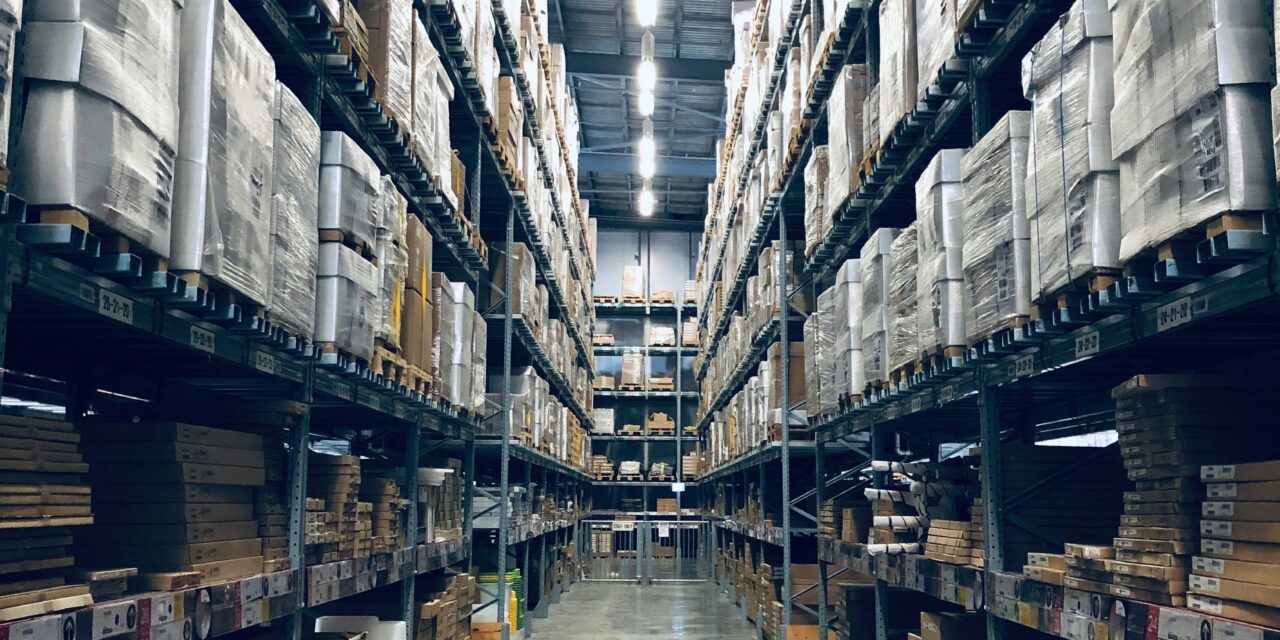
Large storage facilities—also known as warehouses—are where all the action happens. These places handle massive amounts of inventory every single day. Workers, machines, and carefully designed storage systems all work together to keep things moving. It might look like a huge maze of shelves and pallets, but there’s a method behind the madness.
How Warehouses Store So Many Products
Warehouses aren’t just big empty spaces where things are thrown around. Everything is carefully arranged to make storage and retrieval as efficient as possible. Instead of stacking boxes randomly, warehouses use racking systems to keep things organized.
One system that’s especially useful is the drive in rack. It allows warehouses to store pallets in deep rows, meaning they can fit more products in a smaller space. If you think about a regular shelving system, there are usually aisles between every row. But with drive-in racks, forklifts can drive directly into the rack to place or remove pallets, reducing the need for extra aisles. This is perfect for businesses that store a lot of the same product, like food or seasonal items. If you’re looking for an efficient storage setup, drive-in rack systems can help maximize space without expanding a warehouse.
How Do Warehouses Keep Track of Everything?
Imagine trying to remember where thousands of different items are stored. It sounds impossible, right? That’s why warehouses use inventory management systems (IMS). These are computer programs that track every item that enters and leaves the facility.
Here’s how it works:
- Barcode Scanning – Every item that comes in gets a barcode. Workers scan it to update the system with its location.
- RFID Technology – Some warehouses use Radio Frequency Identification(RFID), which automatically tracks products using radio signals. This means workers don’t even have to scan each item individually.
- Automated Systems – In some high-tech warehouses, robots move products instead of humans. They follow programmed routes and use sensors to pick up and deliver items.
Without these tracking systems, products would get lost, and deliveries would take forever.
How Do Products Get In and Out So Quickly?
Storage facilities aren’t just about holding products—they’re also about moving them fast. If a store runs out of something, it needs a restock immediately. If someone places an online order, they expect fast shipping. Warehouses handle all of this behind the scenes.
Receiving Shipments
When new products arrive, warehouse workers check them in, scan them, and put them in the right storage area. If the facility uses a drive-in rack system, they’ll place the pallets deep into the rack to maximize space.
Picking and Packing Orders
When a store or customer places an order, warehouse workers find the items and pack them up for shipping. This process is called order picking. Some warehouses use:
- Pick-to-light systems – Lights guide workers to the right shelf.
- Voice picking – Workers wear headsets and get voice instructions on where to go.
- Automated picking – Robots move through aisles to pick items without human help.
Once everything is packed, the orders are labeled and sent out for delivery.
Shipping and Delivery
Warehouses don’t deliver products themselves. Instead, they work with shipping companies like FedEx, or DHL. Trucks pick up packages, take them to sorting centers, and send them on their way.
Some warehouses even have cross-docking areas, where shipments go directly from incoming trucks to outgoing ones without being stored at all. This helps speed up deliveries.
What Happens to Leftover Products?
Not everything sells right away. Sometimes warehouses end up with extra products, either because demand dropped or because too much was ordered. When this happens, businesses have a few options:
- Discounting – Stores might sell extra stock at a lower price.
- Seasonal Storage – Some products are stored for later, like holiday decorations.
- Recycling or Disposal – If items expire or get damaged, they might be thrown away.
Warehouses have to keep a balance. Too much inventory takes up space, but too little means they can’t meet demand. That’s why inventory management is so important.
Why Warehouses Are Getting Smarter
Technology is changing how warehouses operate. In the past, workers had to do almost everything by hand. Today, many storage facilities use automation to work faster and reduce mistakes.
Some new trends in warehouse technology include:
- Drones – Some warehouses use flying drones to scan inventory and check stock levels.
- AI and Machine Learning – Smart software can predict what products will be needed before orders even come in.
- Automated Guided Vehicles (AGVs) – These self-driving machines transport products across warehouses without a driver.
The goal is to make warehouses run more smoothly while reducing the need for human labor in repetitive tasks.
Final Thoughts
Warehouses might seem like giant storage spaces, but there’s a lot going on behind the scenes. Every product you buy has gone through a complex system of receiving, storing, picking, and shipping. Without organized storage solutions like drive-in racks, tracking systems, and automation, modern supply chains wouldn’t function.
So next time you order something online or pick up an item in a store, remember—it didn’t just appear there. A whole team (and maybe even a few robots) worked behind the scenes to make sure it got to you.

- NVIDIA’s AI Dominance: Evaluating DataCentre Demand, Competitive Risks, andValuation Sustainability - July 1, 2026
- Controlling Power From Anywhere in the World - September 16, 2025
- From Flat Sheet to Strong Box: How Smart Design Stops Damage - August 28, 2025