(Last Updated On: )
How I Found FreeAgent
Accounting is the scary part of side incomes for many people. If you're going to scale things up and earn enough money to generate a full-time wage beyond your day job, you need to consider how to manage your finances.
My accountant's a good egg, and is the reason I keep on the right side of HMRC with my reselling and online earnings. In fact, he's he reason I set up a limited company through a company of a similar name early last year. From there, he had two instructions:
- Set up a business bank account through Barclays (free for the first 12 month)
- Run all of your company's incoming and outgoings through FreeAgent
Why would I disobey his orders? I got the ball rolling with part 1 on the day my papers came through that I was the director of an actual, factual limited company. I belled up Barclays, set up a meeting to make things official with them, and it was game on. Part 2… hmmm… took a while.
I was stuck in my old ways for a little while. I thought I could manage with a few spreadsheets. I kept at it for a couple of months, until the quantity of transactions became too much. With a bank account and two PayPal accounts, it was a messy affair. It was about time I fixed up and legitimised things, so I asked my accountant how to go about this FreeAgent stuff, and I finally saw the light.
The change was like night and day, once I finally made the transition. FreeAgent is an accounting solution that's been around for ages, and has been gradually improved to make it as simple as possible for the average person with no accounting experience to operate.
Why is FreeAgent So Good?
Once you authorise with your bank (in my case through the Barclays DataServices), FreeAgent automatically inputs details of every incoming and outgoing from your account. The same goes for your PayPal (although that was a little fiddly to get going). As soon as all of your accounts are in place, the only work you need to do is assign the category all expenditure and earnings fall under. You may need assistance from your accountant about this kind of thing initially, but you can find all of this out from a few Google searches and their on-site forum.
Not only do they make the fun bits like dividends and salary easy to organise, the way expenses are handled actually feels like a game. The first time I had to input these details in bulk (with a few months of backlog), I thought it would be a proper effort. It was the exact opposite, with them making it easy to sort the subscriptions from the costs for marketing collateral, and splitting expenditure for stock from my business stationery.
FreeAgent also keeps track of what your corporation tax will be, based on the activity in your bank accounts. Little things like that – measures to prevent you from freaking out about additional expenditure at the end of the year – are great additions.
Is FreeAgent Good for Online Business Owners?
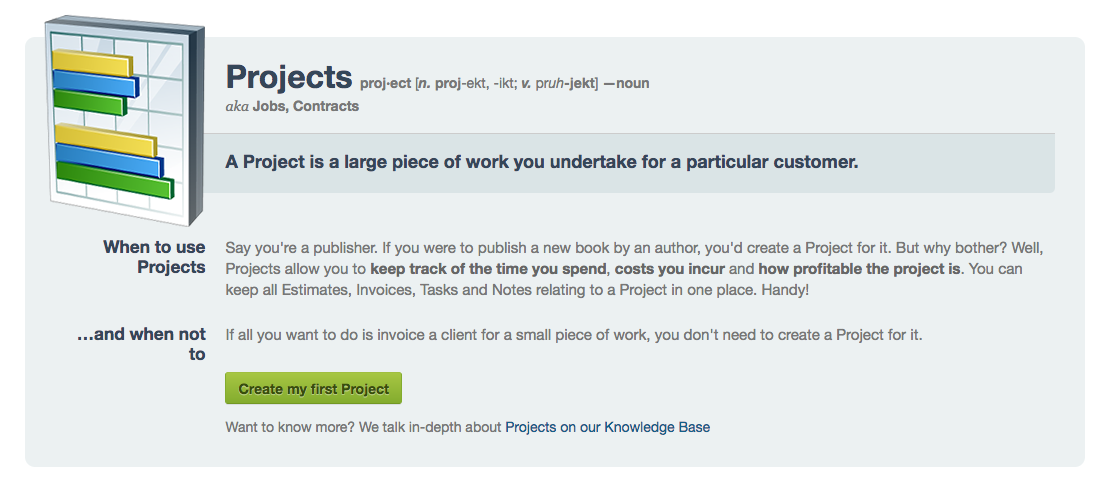
The thing with online business owners is that they tend to be in quite a few pies. Very few will just stick to a single model. Even if they do, they may have multiple versions – like websites – on the go at once. I fall under that category. I do all sorts, and I thought it would be difficult to differentiate it all through a single bank account (plus a PayPal). The Projects feature in FreeAgent gives you a space to see how that’s going, without it being mixed in with your other money. It means that if you’re in the business of flipping products, websites, outsourcing to build your affiliate empire or otherwise, you have a purpose-made feature within the solution to track it all.
FreeAgent seems perfectly aligned with people like myself, who may take on various tasks throughout the year and need to track the cash – both in and out – from those, aside from other money. This makes it simple to do, without the need to keep track via separate Excels or Google Sheets (as I had in the past).
How Much Does FreeAgent Cost?
You’re always asking the complicated questions. Alright, so it’s:
- Limited company: £29 + VAT per month
- Partnerships: £24 + VAT/month
- Sole traders: £19 + VAT/month
Each of the packages comes with catered features, such as corporation tax and dividend vouchers for Ltds and self assessment filing for sole traders, and profit share calculations for those dividing up the pie.
HOWEVER – if you sign up through this link, you’ll get 10% off your subscription.
FreeAgent comes with a 30-day free trial, with no credit card needed, so you may as well give it a go.
Summary
FreeAgent provides all I need from a business accounting solution, especially for my online businesses. If you want to stay hands on with the financial side of things (even if it’s not your strong point), it ticks all the boxes. There’s plenty of training material and they’re always on hand to chat, if you’re ever stuck.
I can’t compare FreeAgent to Xero or QuickBooks (what a lot of others tend to use) for the simple fact that I haven’t used it. If I decide to run another business through a different bank account, I may consider trying them out for comparison. However, FreeAgent has all the functionality I need to go about my general accounting activities.
Every accountant will have their favourite tool, mine says FreeAgent’s where it’s at.

- NVIDIA’s AI Dominance: Evaluating DataCentre Demand, Competitive Risks, andValuation Sustainability - July 1, 2026
- Controlling Power From Anywhere in the World - September 16, 2025
- From Flat Sheet to Strong Box: How Smart Design Stops Damage - August 28, 2025