(Last Updated On: )
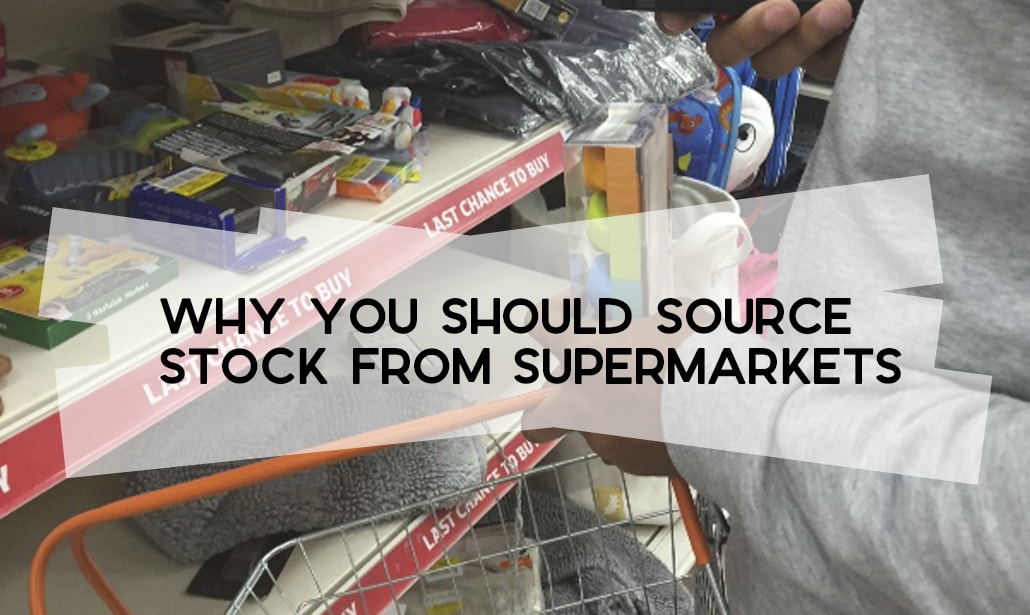
Following on my introduction to retail arbitrage, it's worth letting you all know where exactly you going to find flippable deals. Everyone's come across a real bargain when they're shopping, but few would have come across one so good that they would consider listing it on a marketplace for profit. Once you start looking, you will discover just how many are out there.
Which Supermarkets are Best for Retail Arbitrage?
Based on my experience as a UK Amazon retail arbitrage seller, I would consider these three to be the best choices:
- Sainsbury's
- Tesco
- Asda
Each do clothing, toys, homeware and kitchenware, alongside groceries. Each of these categories is filled with Amazon-flippable arbitrage opportunities, once you start digging. When I started selling on Amazon, my flat was next door to a giant Sainsbury's, so convenience is what led me there. Soon after I moved and Tesco was my closest, but found I had to go to both to get all I needed. I didn't have an Asda close by, but they were reliable whenever I did pass through one.
Morrisons and Co-Op might have decent ranges, but I can't say I've had as much success with them. These days Morrison's is my closest supermarket, but I really don't use it as a source for Amazon stock. I've found that both Aldi and Lidl can have their moments, but when you're sourcing from these places, it really makes the most sense to just source from the places you usually buy from, unless you have a lot of free time, as the chances are that you're not going to find £100s worth of profit potential per store.
Why Do Retail Arbitrage in Supermarkets?
Supermarkets are among the highest turnover-driving retailers in the country, thanks to massive footfalls. They've curated fast-moving products for you. They've done the hardest part for us. With so many customers that they need to please, they can negotiate preferential wholesale prices to buy stock in large quantities. With better margins, they can afford to discount more heavily than others.
These discounts are where resellers come in. Any time Tesco runs a ‘3 for 2' on toys or Sainsbury’s declare their blenders range to be 50%, there's an opportunity to profit-generating flips. When I first started selling on Amazon, these made me realise the massive potential to make sales, because not only is the profit margin great, but they are also presenting you with products that people want, and will be big demand right now.
Supermarkets have a finite amount of space and are very aware that low-selling products need to be replaced with items with demand. This cycle of moving lines in and out of stock keeps things. No time for lag. This is how people score deals and, more importantly, where resellers can swoop in to make a little extra change.
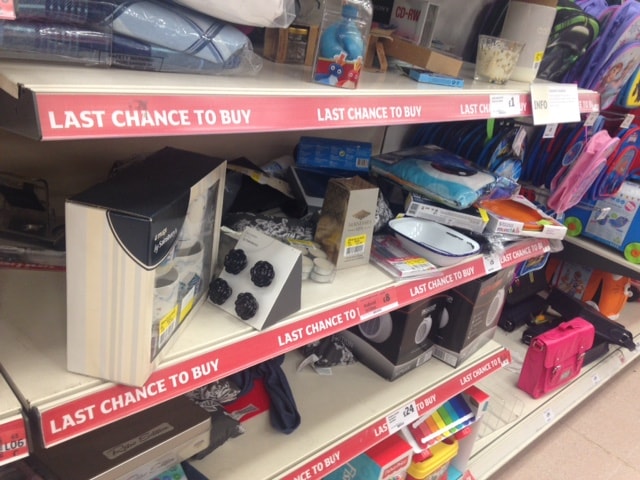
Again, my early days as an online arbitrage seller were spent leaving my house to head directly to my next door Sainsbury's ‘Last chance to buy' discontinued stock, where I would find things like bedding, exercise equipment, hair care products and all sorts that I could flip on my favourite marketplace.
Should You Do Retail Arbitrage with Clothing?
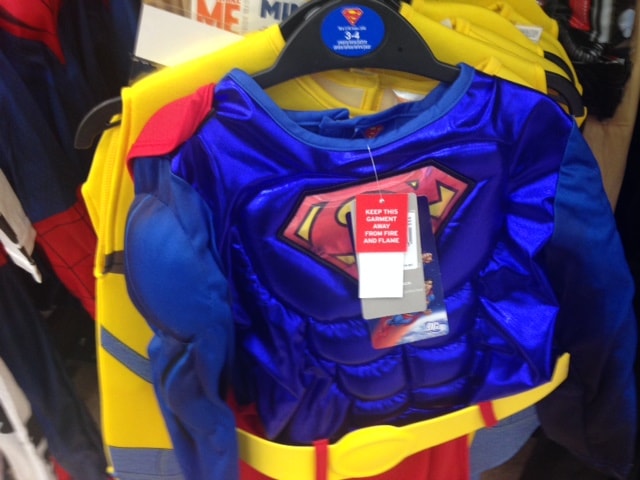
Clothes tend to be overlooked as a retail arbitrage opportunity, because most sellers will be gated to sell in that Amazon category. Supermarkets have own brand clothes that sell well on eBay. This is particularly true of plus size items (which are stocked in low quantities) and collaborations (eg. Disney Princess and Marvel kids apparel).
It's an area that will require research before you dive into it, but there’s a whole heap of flipping opportunities within their clothing aisles. Limited editions are obvious wins, especially if you plan on selling to people abroad. The rest will take some research, so if you plan on doing this seriously, you’re going to have to put the work in.
I can't say that this is something that I spent too much time on, simply because I know from prior ecommerce experience how high apparel return rates are, compared to other product categories. If you believe that this factor wouldn't be too big of an issue with the kinds of products that you aim to sell, continue on.
Should You Do Retail Arbitrage with Homeware?
Put simply: yes. Homeware is underrated as a retail arbitrage medium. Home décor and accessories tend to be a bit too bulky, fragile or annoying to handle, but that's why there's so much opportunity. If you cover the areas that others skip by, there's going to be a lot less competition. Once you get into this game properly, you'll appreciate finding a profitable item where you're not fighting for the Buy Box against 20 other sellers (unlike with toys, where the competition tends to be high year-round).
Should You Do Retail Arbitrage with Electricals?
Supermarkets can't hold onto slow-moving electricals. It just doesn't make sense for them. These things take up space that could be occupied with something that's actually going to make them money. If something hasn't sold during its peak period there's a good chance it'll be discounted and put into the clearance section, never to be seen again. Get scanning on Amazon and checking those sold listings on eBay to see if it's something that people actually want and that the store's being too harsh with.
Post-Christmas in-demand trending items tend to be discounted, because they know the window of opportunity is fading, and a new model will probably replace it in a few months. The chances are that some of these products are still selling for full-price on online, in which case you need to become the new stockist. Fitness-based products in February. Summer activity items in September. Keep your eyes out for these deals. Just because a supermarket hasn't got space for it doesn't mean that someone's not going to spend money on it.
What Else Should You Consider in Supermarkets?
Many in the arbitrage game begin with in-store product flipping and move to online arbitrage. It's a more convenient way of doing things and more scalable. I hear that. Please don't forget retail arbitrage though. Sometimes the deals are store-exclusive and can be just as lucrative.
Retail arbitrage will change every shopping experience you ever undertake. Apologies for letting you find out this way, but it's true. Any time you see a ‘sale' sign, you will be urged to pull out your phone and start scanning.
Is Retail Arbitrage Better Than Online Arbitrage?
Let's get things straight: I would never say retail arbitrage is better than online arbitrage. In fact, my Tactical Arbitrage review explains why I favour the hands-off approach method. Since I moved to Nottingham in 2018, I haven't done any retail arbitrage at all, because it just doesn't suit my lifestyle.However, I will say that there are opportunities that you can't get online in the actual shops.
For those that have the time for retail arbitrage, you can pick up on all of the opportunities that other people haven't got the time to search out themselves. Don't forget that retail arbitrage can be used for marketplaces beyond Amazon too. You can do this for Depop, Gumtree or eBay of course. It just helps to have a good idea of what will sell on those platforms, before you blow your budget on stock.
A big overlooked deal opportunity at supermarkets are with yellow stickered items. These products may have tattered boxes or seals that have been broken. I've come across £15 headphones reduced to £1 in Sainsbury’s before. They had no issues other than the state of the box. You can list something like that on eBay and you will get a £12 sale.

- NVIDIA’s AI Dominance: Evaluating DataCentre Demand, Competitive Risks, andValuation Sustainability - July 1, 2026
- Controlling Power From Anywhere in the World - September 16, 2025
- From Flat Sheet to Strong Box: How Smart Design Stops Damage - August 28, 2025