(Last Updated On: )
I sell a bit of both new and second hand goods, so I understand the merits of doing things each way. As the positives of new products may be a bit more obvious, I thought it was worth explaining why used/preowned/preloved things shouldn’t be dismissed, especially before you have actually tried it yourself.
(Click here to see things from the other perspective).
1. Low start-up capital required
Boot sales and charity shops are all you need to source great things. You don't have to spend much to see a decent return, as long as you know what to look for. After scoring great finds, you can now start a home-based business by selling them online in the comfort of your home. This way you don't have to go through the hassle of putting up a physical store to sell things.
2. Fewer tools required
Extra tools cost extra money. Bootstrap all that you can. You don't want to spend loads upfront, when you're clearly in the game to make more money. Unlike other methods, you won't need additional tools to make this work. These days I'm using some pretty expensive software in order to find products to resell – Tactical Arbitrage being one of my biggest expenses – and I wouldn't spend nearly as much if I was just selling used items.
3. Abundance of products
Everyone has eBayable things in their homes. Many of those people choose to give those things away by underpricing them. I don't know how anyone could run out of things to sell. I mean it's possible, but not likely unless you have recently got rid of a load of stuff.
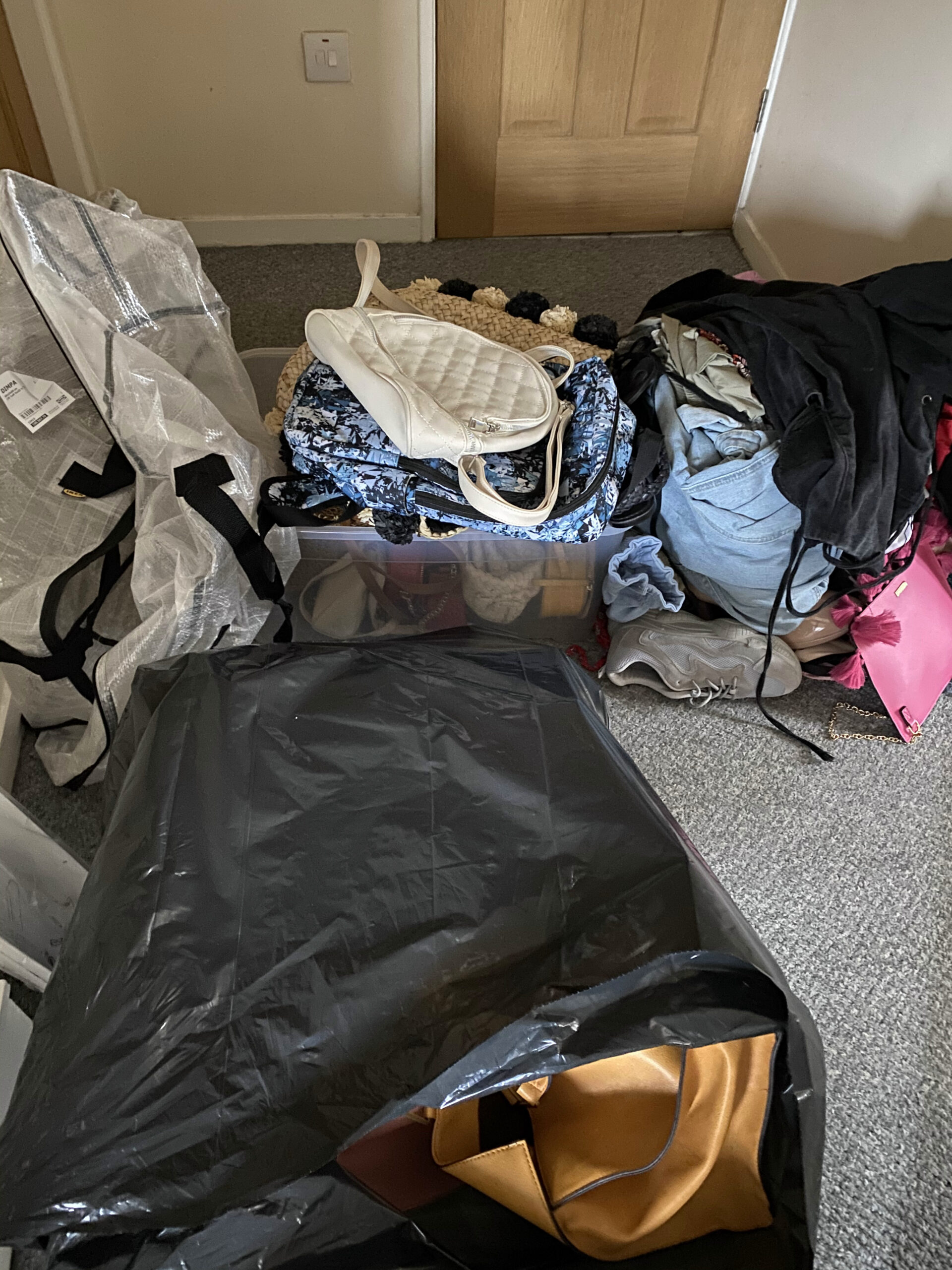
My wife's decluttering pile for eBay today
4. Untapped opportunities
There are so many niches to tap into. While some may becoming more well-known, others are dwindling in popularity. If those items become scarce, you can find a whole host of opportunities that others have overlooked.
5. Easier to source for free
Your home. Your family. Your friends. Your neighbourhood. Keep going: people will give you their unwanted things, just to clear space. Take advantage. You don't really get the chance to get very much new stuff for free, so just ignore what you can't get and hone in on the things you don't have to exchange cash for.
6. Improves description-writing skills
If a buyer isn't satisfied the goods you supplied match up with the description, you'll learn from the experience that follows. You're going to need to know how to write good descriptions as an online seller that specialises in used goods. There's no better time to get to grips with it than today.
7. Competition
Arbitragers – people that buy new products to resell for profit – will often find heavy competition at certain times of the year in certain categories, because they all tend to find the deals at the same time. It's a problem for them because it means that they either cannot actually sell their goods quickly, or they end up selling for a tiny profit. It's a completely different market for those that deal with used products, and this isn't usually an issue at all.
8. Expectations
Those buying second-hand goods may have a slightly lower standard. This works in your advantage, as they may be less prone to complain if they're not quite satisfied. They know that they got a deal and they deal with it. So long as you are upfront in your description, you shouldn't end up having any issues.
9. Age can add value
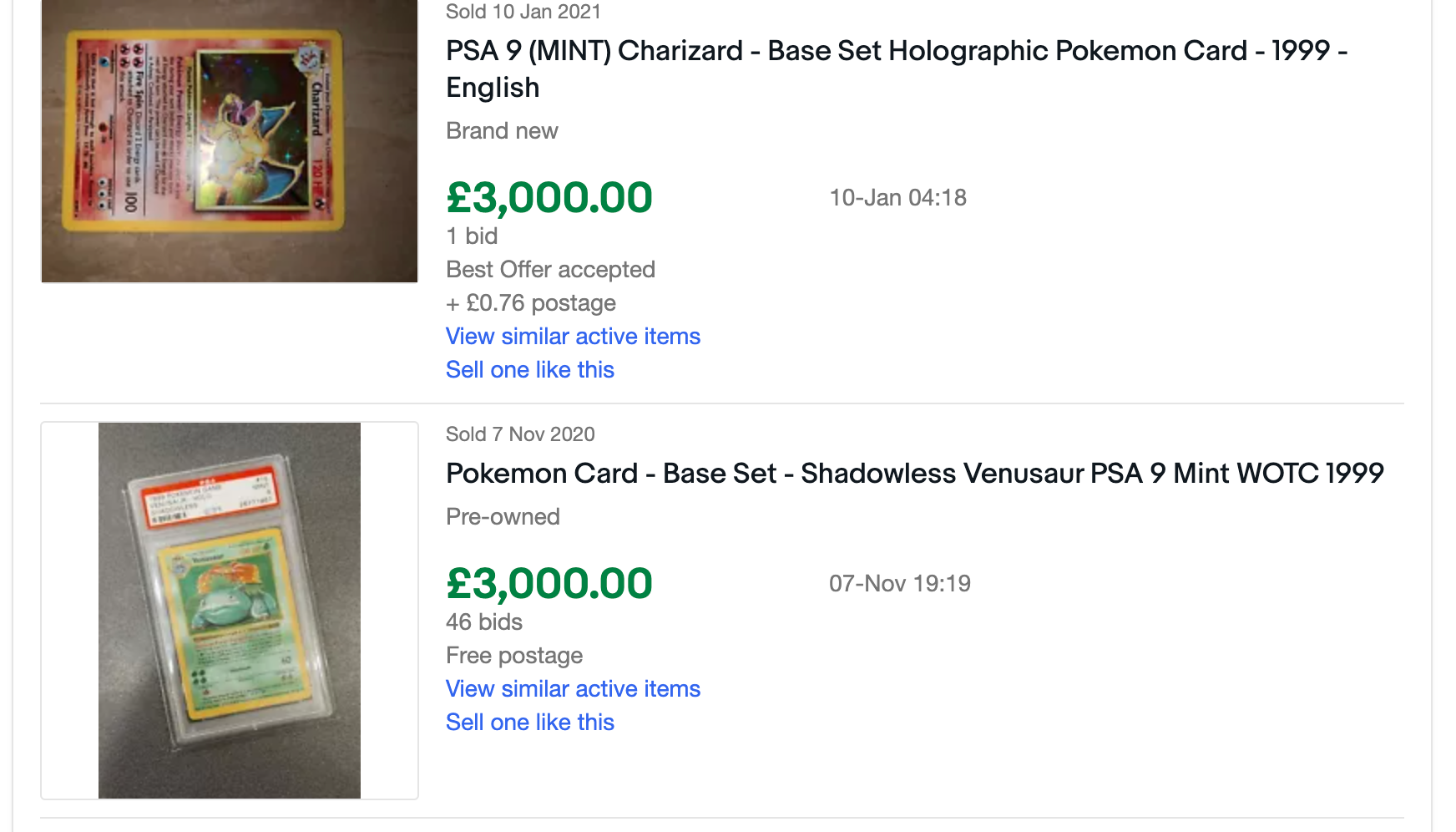
You're slipping if you ignore vintage and antique items. Not all second-hand items have lost value once they're out of their original packaging. Look at the state of Pokemon card prices on eBay now, for goodness sake.
10. Fun of the hunt
We may be talking business, but there's fun in reselling too. Chasing those deals is exciting, especially after you have a couple of impressive flips under your belt. If you're in this for the experience too, you're probably going to have more fun treasure hunting with used items than with new ones.
11. Return on investment
Retail and online arbitrage probably isn't going to get you consistent 50%+ ROIs, but good treasure hunting will. It's possible to flip things from £X to £XX. From a few good £XX sales, you enter £XXX territory.

- NVIDIA’s AI Dominance: Evaluating DataCentre Demand, Competitive Risks, andValuation Sustainability - July 1, 2026
- Controlling Power From Anywhere in the World - September 16, 2025
- From Flat Sheet to Strong Box: How Smart Design Stops Damage - August 28, 2025